
The から / まで (kara / made) Particles
The particles「から」and「まで」are essential for expressing starting points, ending points, and ranges in time, space, or quantities. They often appear together to describe a span or interval, but each can be used independently depending on context.
1. What Do「から」and「まで」Mean?
- から = "from" or "since"
- まで = "to," "until," or "up to"
They can describe:
- Time ranges
- Locations or physical distances
- Event sequences or abstract ranges
2. Using「から」and「まで」with Time
Example 1: Time range
9じから5じまではたらきます。 Kuji kara goji made hatarakimasu. (I work from 9 to 5.)
Example 2: Starting time only
6じからおみせがきます。 Rokuji kara bangohan desu. (Dinner starts at 6.)
Example 3: Ending time only
12じまでべんきょうします。 Juuniji made benkyou shimasu. (I’ll study until 12.)
3. Using「から」and「まで」with Location
Example: From & To
とうきょうからきょうとまでしんかんせんでいきます。 Toukyou kara Kyoto made shinkansen de ikimasu. (I’m going from Tokyo to Kyoto by bullet train.)
Example: From Only
アメリカからきました。 Amerika kara kimashita. (I came from America.)
Example: To Only
かいしゃまでどれくらいかかりますか? Kaisha made dorekurai kakarimasuka? (How long does it take to get to work?)
These work similarly to “from” and “to” in English for places.
4. Using「から」and「まで」with Quantities or Ranges
You’ll often hear「から」and「まで」being used when talking about prices, age, sizes, or amounts.
Example: Range
100えんから500えんまでです。 Hyakuen kara gohyakuen made desu. (It ranges from 100 to 500 yen.)
Example: From an Specific Age
ごさい から にゅうじょう できます。 Gosai kara nyuujou dekimasu. (You can get in from age 5.) Note: You'll probably see this at amusement parks!
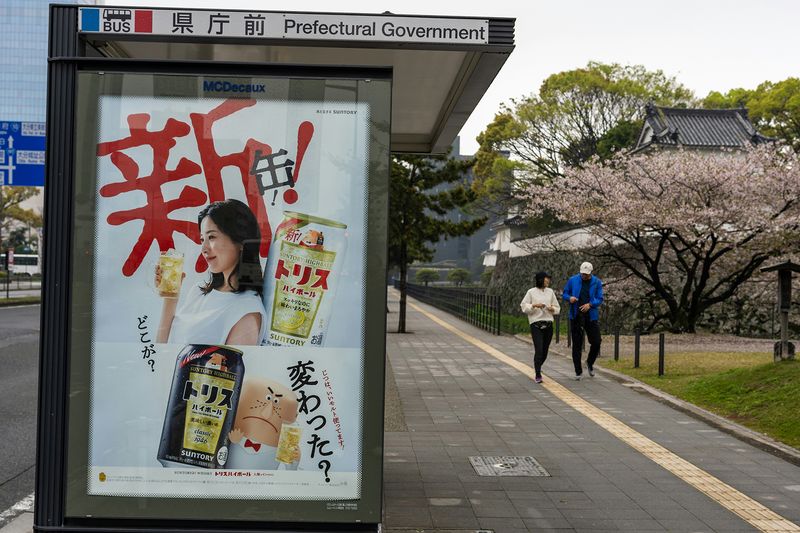
おさけは はたち から。 Osake wa hatachi kara. (Alcohol is from age 20.) Note: 20 is the legal age of adulthood in Japan, and you'll see this quote on every alcohol ad or drink!
5. Using「から」to Show a Cause or Reason
Beyond marking a starting point in space or time, 「から」 also functions as a conjunction that means “because.” In this usage, it links two full clauses, with the first clause giving a reason and the second showing the result or action taken because of it.
Example:
さむいから、ジャケットをきました。 Samui kara, jaketto o kimashita. (Because it’s cold, I wore a jacket.)
Here, the reason clause is “さむい” (it’s cold), and「から」links it to the outcome “ジャケットをきました” (I wore a jacket).
This is fundamentally different from using「から」with nouns or time—in this case, it’s not about physical origin, but about logical cause.
Grammar Rules for「から」Used to Show a Cause or Reason
When using 「から」 in this way, it’s attached to the plain form of the verb or adjective:
- い-adjective: おいしいから、たくさんたべました。 Oishii kara, takusan tabemashita. (Because it’s delicious, I ate a lot.)
- な-adjective: ひまだから、テレビをみます。 Hima dakara, terebi wo mimasu. (Because I’m free, I’ll watch TV.)
- Noun +だ: にほんじんだから、はしがじょうずです。 Nihonjin dakara, hashi ga jouzu desu. (Because he’s Japanese, he’s good at using chopsticks.)
- Verb (plain form): つかれたから、ねます。 Tsukareta kara, nemasu. (Because I’m tired, I’ll sleep.)
「だから」: The Standalone Form
When a reason is expressed first, followed by a separate sentence, we often use「だから」at the beginning of the second sentence. It literally means “That’s why” or “So.”
Example:
テストがむずかしかった。だから、みんなできなかった。
Tesuto ga muzukashikatta. Dakara, minna dekinakatta. The test was hard. So, nobody could do it.
This makes it a useful transition in spoken or informal written Japanese.
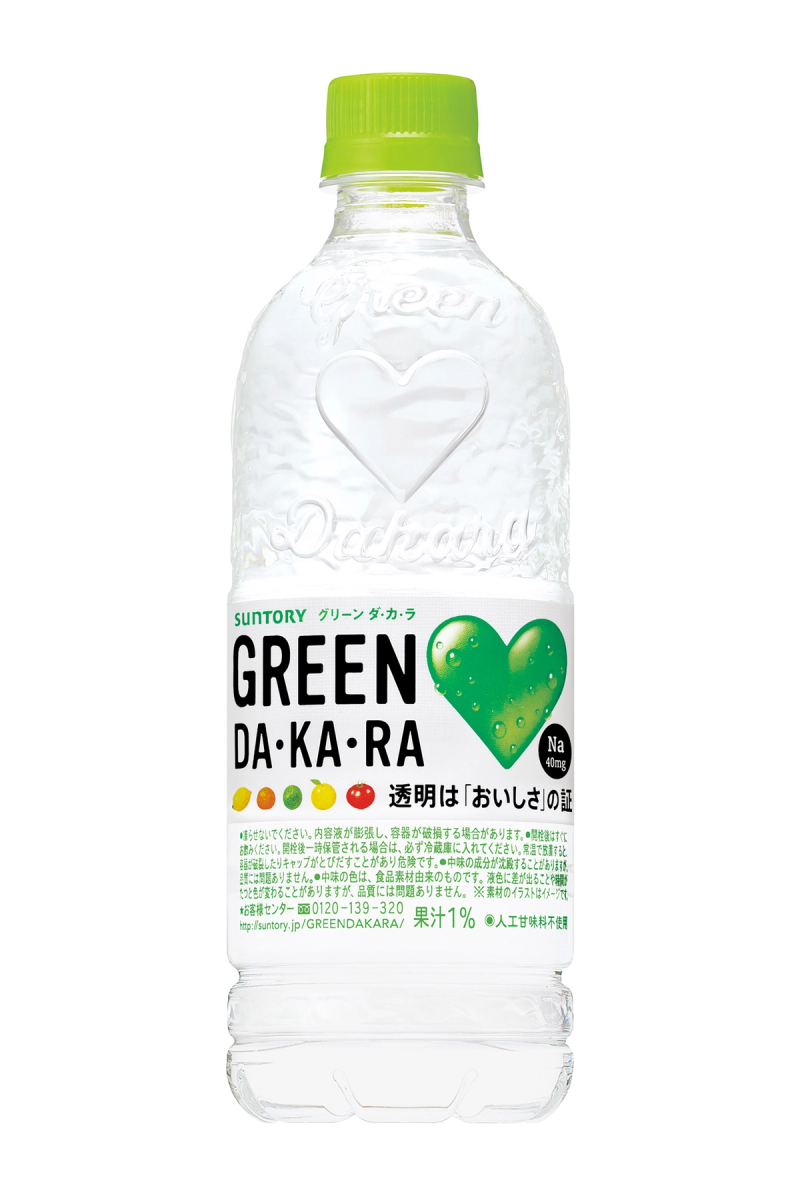
Fun Note: You might see a drink called "DAKARA" in a convenience store. We think it's called that because it has a bunch of nutrients, and "that's why" it's a good drink. Good job, Suntory.
6. Common Mistakes with「から」and「まで」
❌ Mistake 1: Reversing the order
Incorrect: 7じまで3じから Correct: 3じから7じまで(From 3 to 7)
❌ Mistake 2: Using「から」+「から」
Incorrect: にほんから、アメリカからきました。 Correct: にほんからアメリカへきました。 (From Japan, I came to the U.S.)
7. How「から」and「まで」Appear in Daily Expressions
いまから:From now
Example: いまからいきます! Ima kara ikimasu! (I’ll go from now / I’m heading out now!)
ここから:From here
Example: ここからどういけばいい? Koko kara dou ikeba ii? (How should I go from here?)
あしたから:Starting tomorrow
Example: きょうはつかれたから、あしたからにします。 Kyou wa tsukareta kara, ashita kara ni shimasu. (I’m tired today, so I’ll start from tomorrow.)
ずっとまえから:Since way back
Example: ずっとまえからすきでした…! Zutto mae kara suki deshita...! (I’ve liked you since a long time ago…!)
~までに:By (a deadline) → special usage of 「まで」 + 「に」
Example: ごご5じまでにていしゅつしてください。 Gogo go-ji made ni teishutsu shite kudasai. (Please submit it by 5 PM.)
Related Grammar
 E Rank
The で (De) Particle
The particle 「で」 is essential for expressing where an action happens, how it's done, and what tools or methods are used.
 E Rank
How to Use だから (dakara) – “So” / “That’s Why” in Japanese
 E Rank
い-Adjectives in Japanese – How to Use, Conjugate, and Modify
 E Rank
How to Use そして (soshite) – “And Then” in Japanese